The tea was the same. I wasn't.
January 2026: There's a shelf of Chinese tea at my place. Da Hong Pao, 2012 shu pu-erh, longjing and so on. I genuinely love tea, sometimes take guys from the team to tea houses, and my tea I brought back from different trips, picked it, tasted it, well, you get the idea. Yet for the past year and a half I've been drinking this tea once every six months, when I'm sick and working from home. I drink it from a thermo mug between calls: pour boiling water over it, forget it for 40 minutes. More often than not I don't finish it, and even more often I finish it in the morning, cold, while waiting for the taxi to the office (being sick longer than a day is not allowed).
I work like this because of massive FOMO. I'm sure that right now is the moment in AI, and if I stop even for a day, I'll piss it all away. So I work 12 hours a day, 6-7 days a week, almost always. Weekdays go to the main job, weekends focus on my own projects, studying and content (for you, in this TG, by the way!). Vacations usually made it worse: on the last three I worked more than in regular weeks, and the most recent one I spent entirely in my usual office, just in a different row, so as not to distract the team.
April 2026:
I'm severely fucking burned out, but burned out in a funny way: I work the same as ever, very rationally, efficiently and a lot, but I've lost the taste. Most of what I do, I do like a robot. Super mechanically. Literally and metaphorically: products that used to charge me up started feeling like a ticket in the tracker. Did it, forgot it, moved on (and the absolute worst part: firings, hiring and all of people management became tickets like that too). I more or less stopped telling Monday from Friday, and stopped feeling the difference between pu-erh and boiling water (heh)
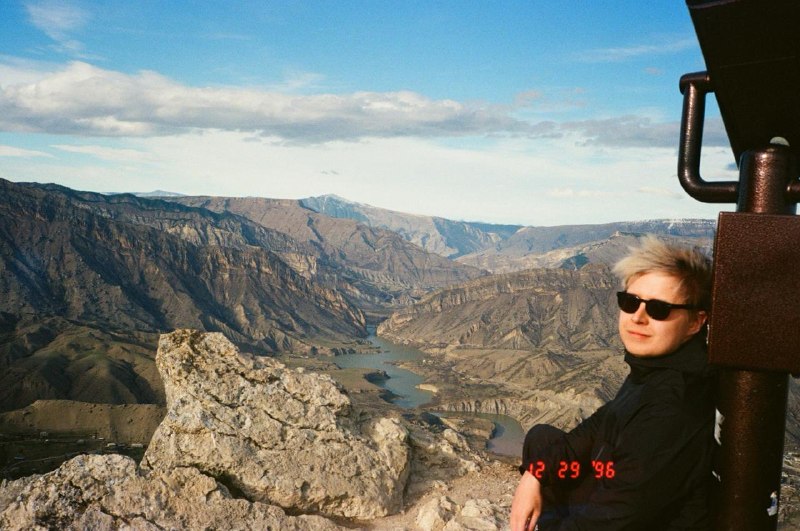
At some point I caught this and invented rest microdosing for myself. The idea is dead simple: live through the blowout, the idleness and the chill, only incredibly fast, in about four days, so as not to piss away all the action in the industry. So I went to Dagestan. Whatever the stereotypes say, it's a super cool and unbelievably beautiful place (a must-visit, 100%). On the second day I was sitting on a terrace by some random canyon. I brewed tea. Just did it, for no reason. Probably the first time I'd done it not alone and not between meetings. The tea was the same one that sits at my place, but for the first time in months I could taste it. The earth, the smoke, the smell, the aftertaste, everything I once picked it for.
The moral: Working is very cool and interesting. But it matters not to lose the ability to feel the thing you're working for in the first place.